Clitheroe

Shap

Horwich, Bolton

Chorley

Horwich, Bolton
Clitheroe
Shap
Horwich, Bolton
Chorley
Horwich, Bolton
Aggregates can look very similar at first glance, but differences in grading, fine content, moisture, strength or contamination can significantly affect how they perform. These variations can influence compaction, drainage, stability and long-term structural performance.
That is why quality control in aggregate production involves more than a single laboratory test. Quality is maintained through checks and decisions at every stage, from extraction and processing to testing, storage and dispatch.
This helps producers maintain consistent standards while giving contractors and project teams confidence that materials will be suitable for their intended use.
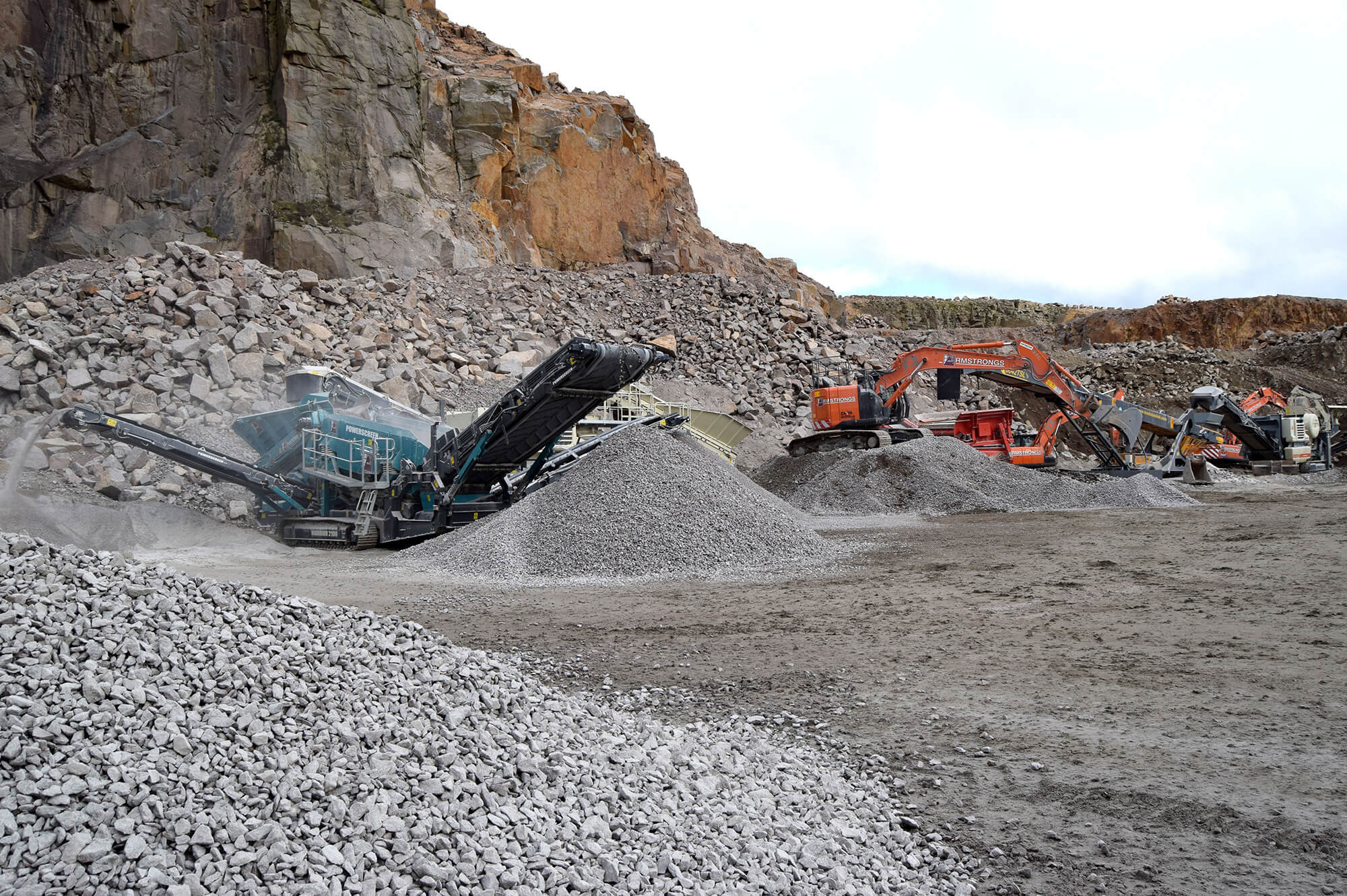
Aggregate quality control is the combination of checks used to monitor materials and production processes throughout quarry operations. It includes visual inspection, representative sampling, laboratory testing, process monitoring and accurate record-keeping.
Although quality control and quality assurance are closely connected, they have slightly different roles. Quality control refers to the operational checks used to assess the material and identify variation. Quality assurance is the documented framework that ensures those checks are carried out correctly and consistently.
There is no single measure of aggregate quality that applies to every product. Materials must be assessed against their intended use and the relevant specification, as the properties required for drainage stone may be very different from those needed for concrete or road construction.
Characteristics such as grading, density, particle shape and strength influence how an aggregate compacts, distributes loads and withstands wear. Selecting material with the right properties helps create stable construction layers and supports long-term durability.
Our guide to how aggregate density and strength affect structural performance explores this relationship in more detail.
Different applications require different levels of strength, cleanliness, durability and grading. An aggregate suitable for general fill, for example, may not provide the drainage characteristics, consistency or strength required for concrete, highways or structural applications.
Quality control helps confirm that each product is appropriate for its intended purpose.
Unsuitable or inconsistent aggregates can lead to rejected deliveries, further testing and materials needing to be removed or replaced.
These issues increase costs and can interrupt work on site. Identifying variation during production reduces the likelihood of problems reaching the customer.
Customers need repeated orders of the same product to perform predictably. Aggregate consistency does not mean that every individual particle is identical, but that important characteristics remain within the required limits.
This helps contractors plan quantities, placement and compaction with greater confidence.
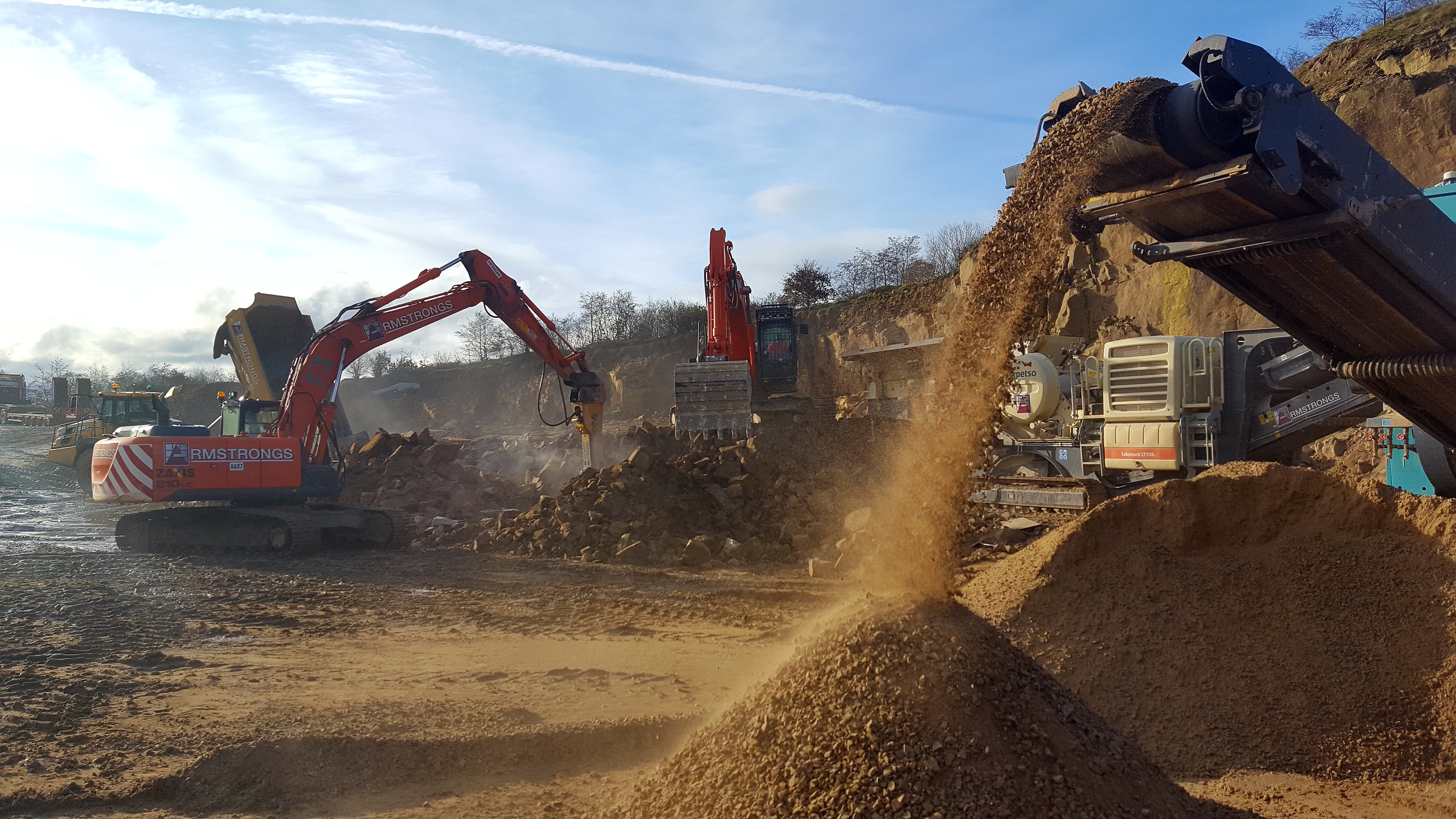
Common areas of aggregate quality control include the following.
Grading is the balance of particle sizes within an aggregate. This affects how particles fit together, the amount of void space within the material and how effectively it can be compacted.
Fines are the smallest particles within an aggregate. Excessive fines can restrict drainage or alter material behaviour, while insufficient fines may affect the compaction and stability of products designed to contain them. Read more about fines content in aggregates and why it matters.
Weather, drainage and storage conditions can all change the moisture content of an aggregate. This affects handling, weight, compaction and the proportions used in processes such as concrete and asphalt production. Find out how aggregate moisture content impacts material performance.
Aggregates may be assessed for their resistance to crushing, fragmentation and abrasion. The required level depends on the loads, traffic and environmental conditions the material is expected to withstand.
Angular particles can improve interlock, while excessive flaky or elongated particles may make compaction more difficult or be more vulnerable to breakage. Particle shape can also affect the workability of concrete and asphalt mixtures.
Density is relevant to material quantities, compaction and mix design. Water absorption affects how aggregate interacts with moisture and can influence the consistency, durability and performance of the finished material.
Aggregates are checked for unwanted substances such as clay, soil, organic matter or material transferred from neighbouring stockpiles. Preventing contamination helps protect the product’s grading, cleanliness and suitability for use.
Aggregate production standards depend on the material and its intended use. Relevant product standards include:
Meeting these standards is not simply a matter of passing one test. Factory Production Control provides a documented system for maintaining quality throughout production.
It can cover sampling and testing frequencies, production equipment, product identification, traceability, record-keeping and the management of material that falls outside specification.
The Mineral Products Association explains that initial testing and Factory Production Control form part of the evaluation of conformity for aggregate products. As requirements can change, producers and specifiers should also refer to the latest designated standards guidance for the product and application concerned.
Aggregates are natural materials, so some variation is unavoidable. Rock characteristics can change across a quarry, while feed proportions, crusher settings, screen condition and equipment wear can all influence the finished product. Weather, moisture and the way stockpiles are managed can introduce further variation.
Regular inspection, representative sampling and process monitoring help operators identify changes before they develop into wider quality issues. Results can be reviewed over time to detect gradual shifts, allowing adjustments to be made to extraction, feed materials or processing equipment where necessary.
This ongoing control helps keep important product characteristics within the required limits, giving customers greater confidence that successive deliveries will perform predictably.
Alongside product quality, maintaining a consistent aggregate supply can also help major construction and infrastructure projects remain on schedule.
If testing indicates that an aggregate may fall outside its required specification, the affected material is kept separate while the results are reviewed. Further samples may be taken to confirm the extent of the variation and help establish its cause.
Depending on the findings, the material may be reprocessed, reclassified or directed towards an alternative application where it is more suitable.
Effective aggregate quality assurance therefore provides a controlled way to investigate problems, manage affected material and improve the production process.
A dependable supplier should be able to provide:
Price and availability remain important, but customers should also have confidence that the supplier understands the required specification and can provide a consistent product.
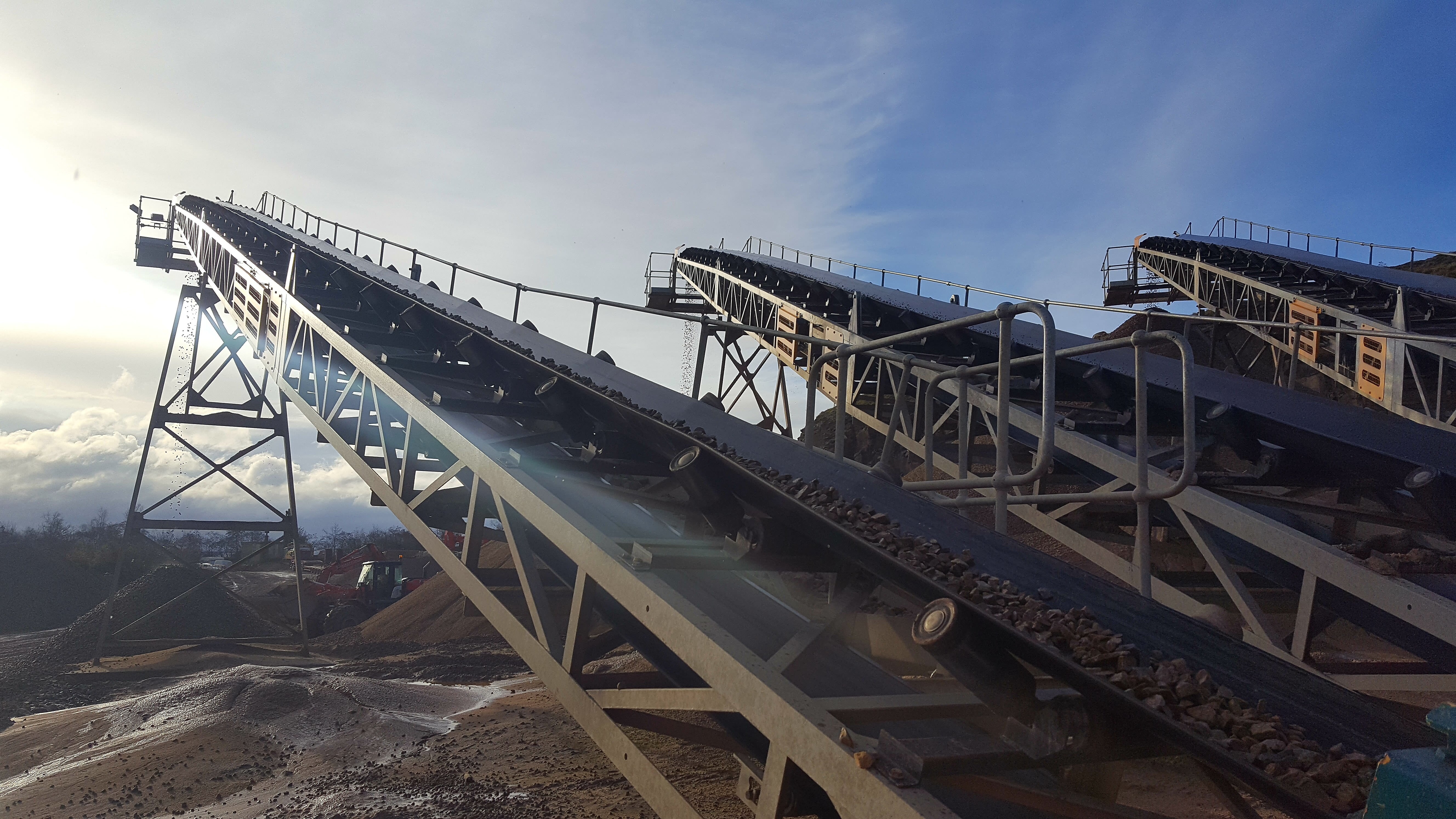
Aggregate quality affects structural performance, specification compliance, project costs and the predictability of work on site. Effective control begins with the source material and continues through processing, testing, storage and delivery.
By monitoring each stage and responding appropriately when variation occurs, producers can supply materials that meet their intended requirements and perform consistently. This gives contractors and project teams greater confidence in the aggregates on which their work depends.
Explore the Armstrongs range of aggregates or contact our team for help selecting the right material for your project.
Aggregate quality control is the process of inspecting, sampling, testing and monitoring materials throughout production. It makes sure that an aggregate remains consistent and meets the requirements of its intended application.
Quality control refers to the practical checks used to assess materials and production. Quality assurance is the documented system that ensures those checks are planned, completed and recorded consistently.
Representative samples may be tested for properties such as grading, fines content, moisture, particle shape, density and resistance to wear. The tests required depend on the product and its intended use. Learn more about aggregate testing methods used in UK construction.
Consistent aggregates behave more predictably during handling, placement and compaction. This helps projects meet specifications while reducing the risk of rejected deliveries, reworking and delays.
The applicable standard depends on the product and its intended application. Examples include BS EN 12620 for concrete aggregates, BS EN 13242 for unbound and hydraulically bound materials, and BS EN 13043 for aggregates used in bituminous mixtures and surface treatments.
Yes. Poor stockpile management can cause segregation, contamination, mixing between products and changes in moisture content. Careful separation, drainage and handling help preserve aggregate quality before dispatch. Read more about how aggregate stockpiles are managed on quarry sites.
Made by Statuo