Clitheroe

Shap

Horwich, Bolton

Chorley

Horwich, Bolton
Clitheroe
Shap
Horwich, Bolton
Chorley
Horwich, Bolton
When choosing the right aggregates for your project, certain factors can make a huge difference. Strength, grading and drainage are the obvious ones, but fines content also has a significant impact on performance.
Understanding fines content in aggregates is important when specifying materials for infrastructure, construction and sub-base applications.
In this guide, we'll explain what aggregate fines are, how fines content is measured, and why it plays such an important role in aggregate grading and construction performance.
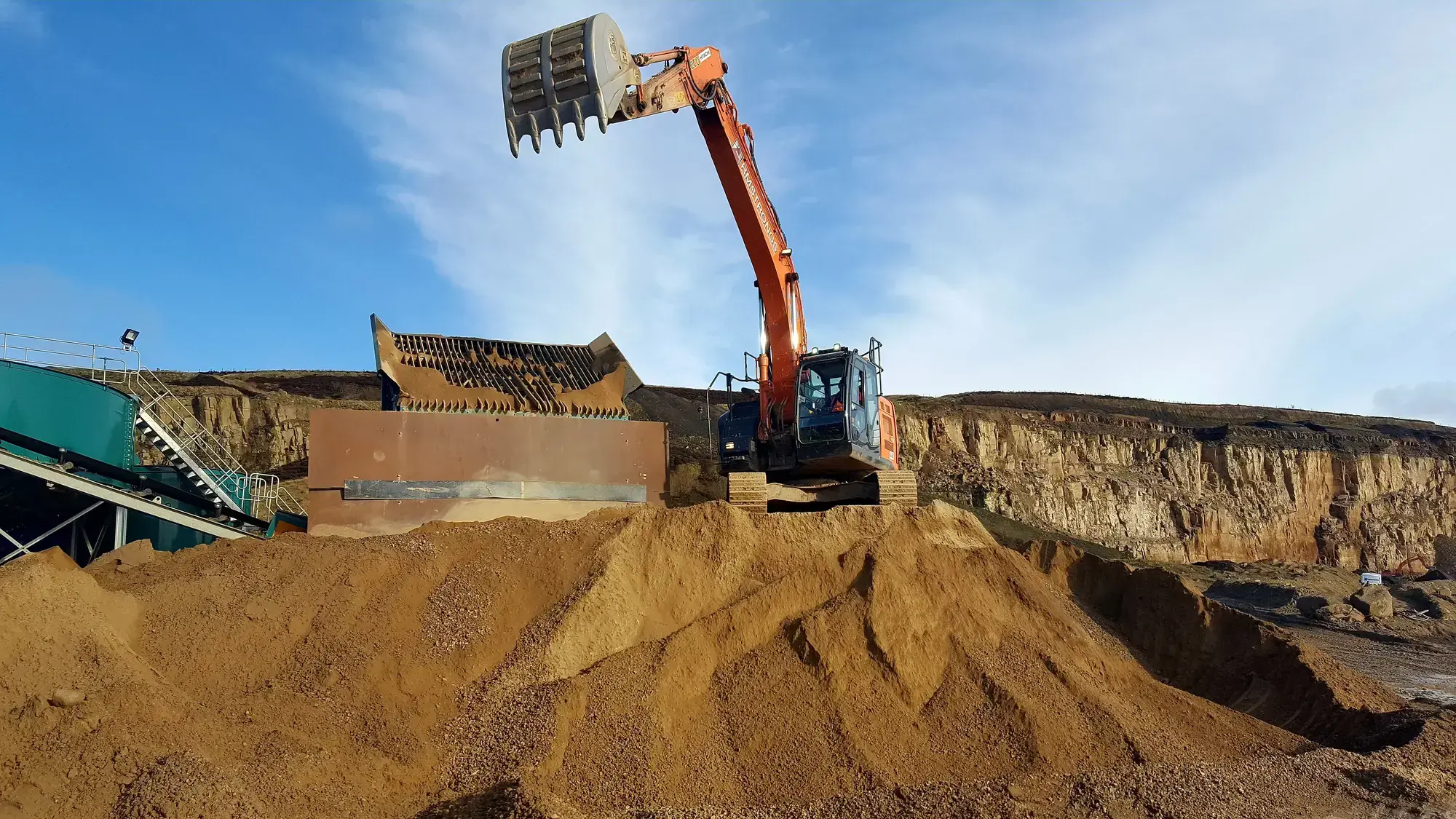
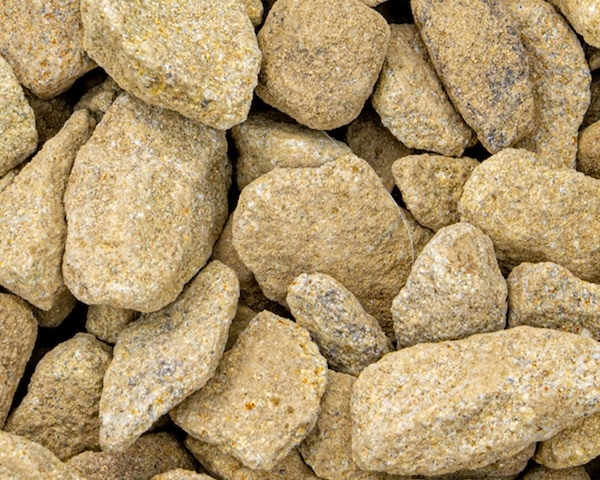
Aggregate fines are the smallest particles within an aggregate material, typically produced during the crushing and screening process. Although they may only make up a small proportion of the overall material, fines can have a large impact on how an aggregate performs.
The amount of fines present directly affects compaction, drainage, stability and compliance with project specifications. Too few fines leaves voids between larger particles, making compaction more difficult. Too many fines, however, reduces drainage and affects the material's overall performance.
In simple terms: Aggregate fines are the smallest particles within an aggregate. The right amount helps materials compact effectively, while excessive fines can reduce drainage and affect performance.
Fines help fill the spaces between larger aggregate particles, creating a denser and more stable material. When the aggregate grading is correct, this helps improve compaction and creates a stronger, more uniform layer.
If there are too few fines, larger voids can remain within the material, making it harder to achieve proper compaction. Too many fines can also create problems, reducing stability and making the material more difficult to work with.
The amount of fines present also affects how easily water can move through aggregate. Materials with lower fines content generally allow water to drain more freely, making them suitable for drainage and free-draining applications.
Higher fines content can reduce permeability by filling the gaps between larger particles. Where effective drainage is required, excessive fines may slow water movement and increase water retention.
Aggregate grading refers to the distribution of particle sizes within an aggregate material. It determines the proportion of larger and smaller particles present, helping to define how the material will perform in different applications.
A well-graded aggregate contains a range of particle sizes that work together to create a stable and compactable material. Fines form part of this overall aggregate particle size distribution, filling the spaces between larger particles and influencing both compaction and drainage.
Aggregate grading specifications are used to ensure materials meet the requirements of their intended application. By controlling the balance of coarse particles, finer particles and aggregate fines, suppliers can produce materials suited to everything from sub-base construction to drainage systems.
There is no single correct fines content for every aggregate. The right amount depends on how the material will be used and what the project specification requires.
| Application | Typical Fines Requirement |
|---|---|
| Drainage aggregate | Lower fines content to allow water to pass through more freely |
| Type 1 sub-base | Controlled fines content to support compaction and stability |
| Concrete aggregates | Strict grading requirements to meet mix design and performance standards |
| Fill materials | May tolerate higher fines levels, depending on the application |
The ideal fines content depends on the aggregate’s end use. Materials designed for drainage usually require fewer fines, while materials used for compaction and load-bearing applications may need a controlled proportion of finer particles.
Aggregate fines are typically measured through sieve analysis, which separates particles by size to determine the distribution of material within an aggregate.
As part of aggregate grading tests, samples are passed through a series of sieves to assess the overall particle size distribution. This allows suppliers and contractors to verify that a material meets the relevant aggregate grading specification for its intended use.
Monitoring fine content is also an important part of quality control during production, helping to ensure consistency and compliance across aggregate supplies.
When selecting an aggregate for your project, fines content is just one of the considerations alongside factors such as strength, grading and durability. Getting the right balance depends on the requirements of the application and the performance expected.
Key things to think about are:
Products such as MOT Type 1, 6F5, 6F2, 75mm Crusher Run and 40mm Crusher Run are designed to compact effectively and create stable foundations. These materials contain a range of particle sizes, including fines, which help fill voids and improve compaction performance, ideal for sub-base and general construction.
Single-sized aggregates such as 20mm and 10mm generally contain fewer fines and allow water to move more freely through the material. This makes them suitable for drainage systems, soakaways and other free-draining applications.
0-4mm Sand and 0-2mm Sand consist predominantly of fine particles and are commonly used in construction, paving and concrete applications. Depending on the project requirements, dry or washed sands may be specified to achieve the desired performance.
Discuss your requirements with our experienced team before ordering and we’ll recommend the best material to meet your specs.
Aggregate fines are the smallest particles within an aggregate material, typically produced during the crushing and screening process. They play an important role in compaction, drainage and overall aggregate performance.
There is no universal definition of high fines content. The acceptable level depends on the aggregate type, its intended use and the relevant aggregate grading specification.
Fines influence how an aggregate compacts, drains and performs under load. The correct balance of fines helps ensure the material meets the requirements of its intended application.
That question is very close to what many users actually search, even if they don't phrase it exactly that way.
Yes. A controlled amount of fines can help fill the spaces between larger particles, creating a denser and more stable material that is easier to compact.
Yes. Excessive fines can reduce permeability by filling the gaps between larger particles, restricting the movement of water through the aggregate.
Fines content is typically measured through sieve analysis, which assesses the aggregate particle size distribution and determines the proportion of fine particles within the material.
Made by Statuo