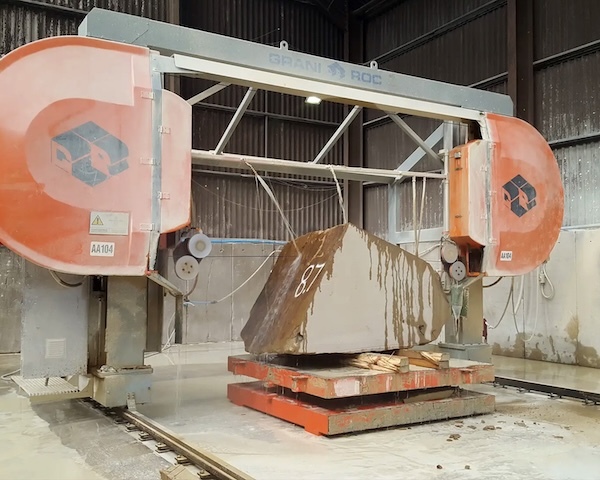
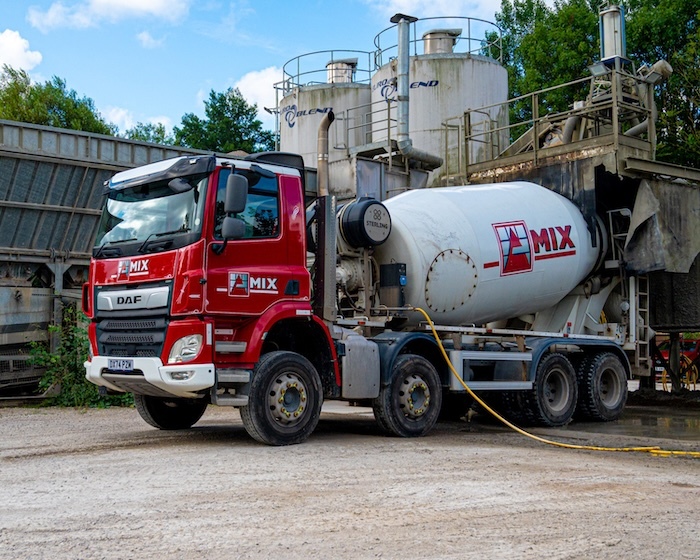
Clitheroe

Shap

Horwich, Bolton

Chorley

Horwich, Bolton
Clitheroe
Shap
Horwich, Bolton
Chorley
Horwich, Bolton
Infrastructure projects rely on a steady flow of construction materials to keep work progressing on schedule. From roads and railways to housing developments and major civil engineering schemes, delays in material supply can quickly impact productivity, budgets and project timelines.
Aggregates are among the most widely used materials in construction, forming the foundations of everything from sub-bases and drainage systems to concrete production. As a result, a reliable aggregate supply is an important part of successful project delivery.
In this guide, we'll look at why consistent aggregate supply matters, how the aggregate supply chain supports infrastructure projects, and the factors that help ensure materials are available when and where they're needed.
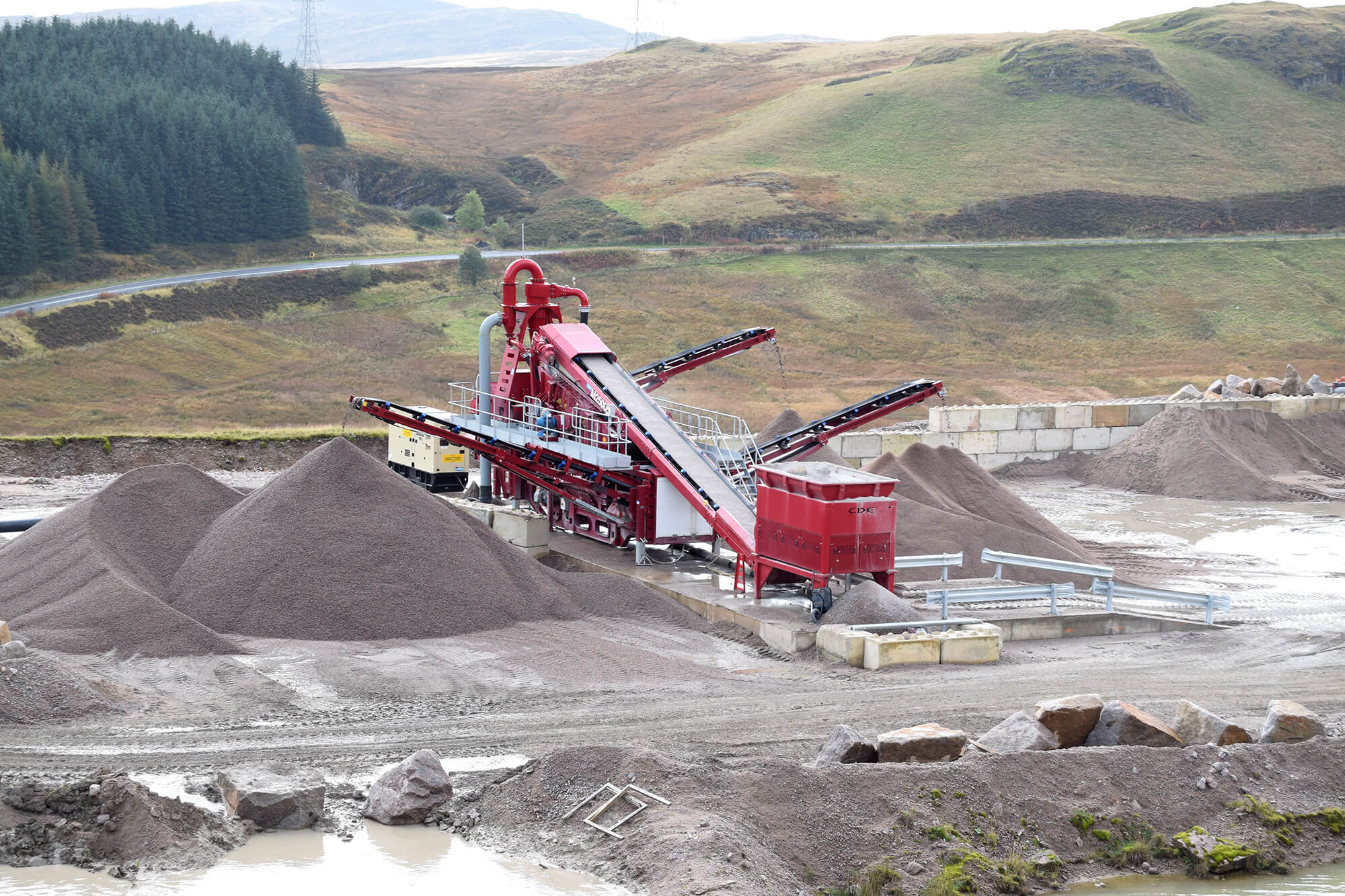
The aggregate supply chain covers the journey of material from quarry to construction site. It includes every stage involved in producing, storing and delivering aggregates for use in infrastructure and construction projects.
This process typically includes:
A well-managed aggregate supply chain helps ensure materials are available when required, supporting efficient construction material supply across infrastructure projects of all sizes.
A reliable aggregate supply helps infrastructure projects run smoothly from start to finish. When materials arrive as planned, project teams can keep work progressing, coordinate resources effectively and reduce the risk of costly delays.
Many construction activities depend on aggregates being delivered at the right time. Delays in supply can slow progress or, in some cases, bring work to a temporary halt while materials are sourced and delivered.
Labour, plant equipment and subcontractors are often scheduled around material deliveries. Consistent supply allows project managers to plan work with confidence and avoid unnecessary downtime.
When aggregates are available as required, teams can continue working without interruption. Reliable construction material supply helps maintain productivity across every stage of a project.
Issues within the aggregate supply chain can create knock-on effects throughout a project. Material shortages, delayed deliveries and sourcing challenges can all impact programme deadlines and increase costs.
When aggregate availability becomes an issue, the consequences can extend beyond the delivery itself. Common challenges include:
For infrastructure projects that depend on large volumes of material, a consistent aggregate supply is often essential for keeping work on track and avoiding unnecessary disruption.
Infrastructure projects often require significant quantities of material over extended periods, making aggregate availability an important consideration during project planning. Whether it's a road scheme, housing development or major civil engineering project, work can quickly be affected if the required materials aren't available when they're needed.
Availability can be influenced by several factors, including market demand, quarry production capacity and the location of the project itself. Transport networks and seasonal pressures can also affect how easily materials can be sourced and delivered.
For projects requiring bulk aggregate supply, planning ahead is often essential. Securing materials early helps reduce the risk of shortages and gives project teams greater confidence that work can continue as scheduled.
Having material available is only part of the equation. Aggregates also need to be delivered to the right place, at the right time and in the right quantities.
This is where aggregate logistics becomes important. Delivery schedules often need to align with construction programmes, site access restrictions and the availability of labour and plant on site.
Poorly coordinated deliveries can lead to congestion, delays or materials arriving before they can be used.
Effective logistics planning helps ensure infrastructure material supply remains consistent throughout a project. By coordinating deliveries with site activities, project teams can minimise disruption, improve efficiency and keep work progressing according to programme.
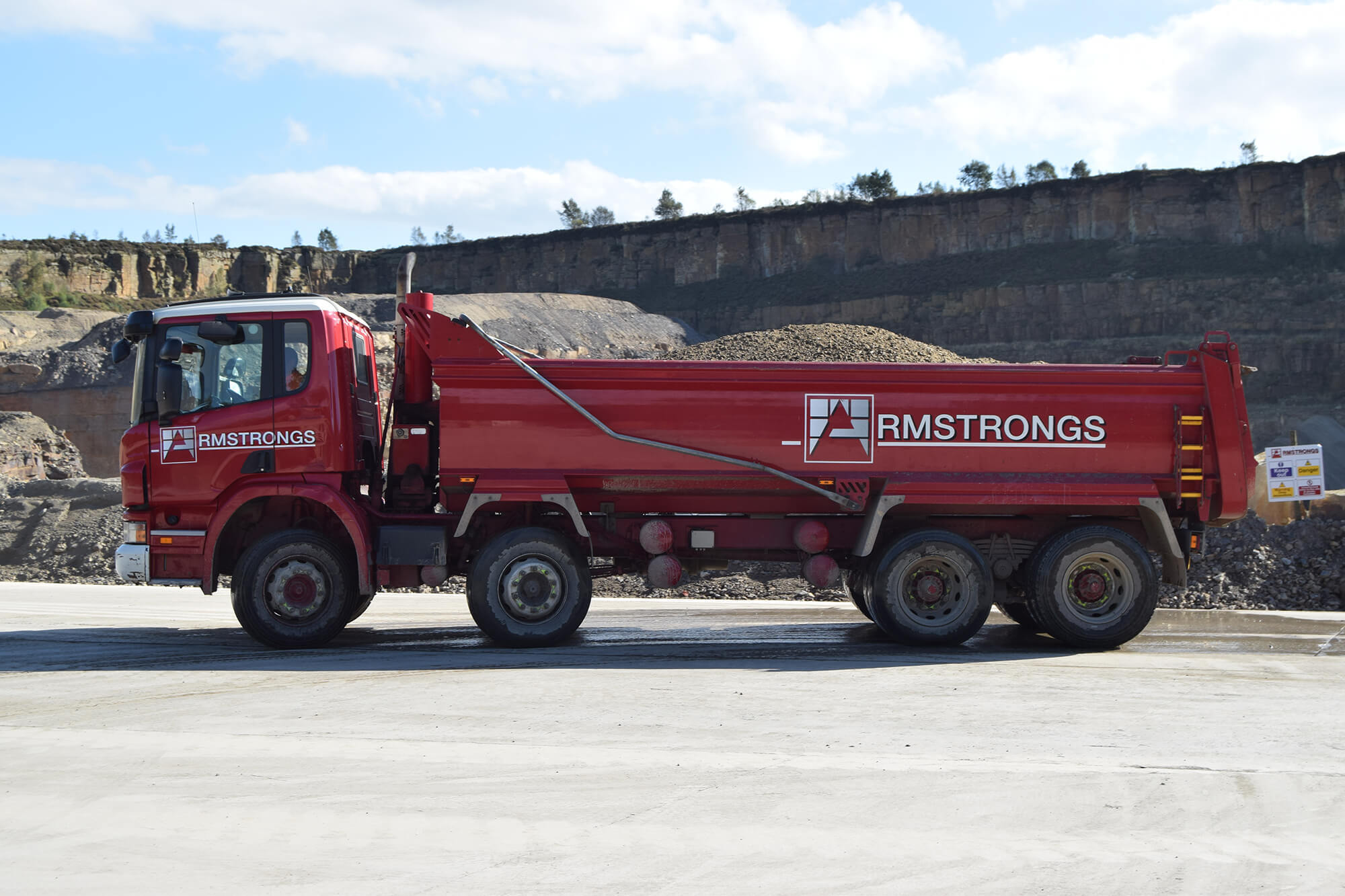
The reliability of an aggregate supply chain often depends on the supplier behind it. For infrastructure projects, selecting the right supplier is about more than simply finding a source of material. It means working with a business that can consistently meet project requirements throughout the construction programme.
Production capacity is one of the first considerations. A supplier needs to be able to meet demand, particularly on projects requiring large volumes of material over an extended period. Product range can also be important, as sourcing multiple materials from a single supplier may help simplify procurement and logistics.
Delivery capability is another key factor. A supplier may have the required materials available, but they also need the transport network and operational capacity to deliver them reliably. Geographic location can play a role too, particularly for projects that require regular deliveries or operate to tight schedules.
Many project teams also value technical support. Experienced suppliers can provide guidance on specifications, aggregate sourcing and product selection, helping to ensure the right materials are used for the application.
Successful aggregate procurement often starts long before materials are needed on site. Early planning gives project teams more time to confirm specifications, assess availability and coordinate deliveries with the wider construction programme.
For larger projects, securing supply in advance can help reduce risk and improve confidence in material availability throughout the build. Maintaining clear communication with suppliers is equally important, particularly where demand forecasts or project schedules may change over time.
By planning ahead and working closely with reliable suppliers, project teams can help ensure materials remain available when needed and reduce the likelihood of supply-related delays.
The aggregate supply chain covers the journey of materials from quarry production and processing through to storage, transport and delivery to site.
Aggregate availability helps ensure construction and infrastructure projects receive the materials they need when required, reducing the risk of delays and disruption.
Delays can be caused by a range of factors, including high demand, production constraints, transport issues, adverse weather conditions and logistical challenges.
Infrastructure projects typically source aggregates through specialist suppliers and quarry operators who can provide the required materials, delivery capability and technical support.
Key considerations include production capacity, product range, delivery capability, geographic coverage and the supplier's ability to provide reliable support throughout the project.
Made by Statuo