
Clitheroe

Shap

Horwich, Bolton

Chorley

Horwich, Bolton
Clitheroe
Shap
Horwich, Bolton
Chorley
Horwich, Bolton
Aggregates are the foundation of the built environment. From roads and railways to homes, hospitals and flood defences, almost every construction project relies on them in some form.
Among the different construction aggregates types, primary aggregates play a central role. But what exactly are they, and where are they used?
This guide explains the primary aggregates meaning, outlines the different types available, and explores their key applications across construction and infrastructure.
Primary aggregates are naturally occurring materials extracted directly from the earth through quarrying or dredging. They are sometimes referred to as virgin aggregates in construction, as they have not previously been used or processed in another application.
Unlike recycled or secondary materials, quarry primary aggregates are sourced from natural rock formations or sand and gravel deposits. The material is extracted through drilling and blasting (in hard rock quarries) or excavation (in sand and gravel operations), then crushed, screened and graded to meet specific construction standards.
Primary aggregates are valued for their:
These properties make them essential in many structural and load‑bearing applications.
There are several types of primary aggregates, each suited to different uses within construction and civil engineering.
Crushed rock is produced by extracting stone from quarries and mechanically crushing it into graded sizes.
Common materials include:
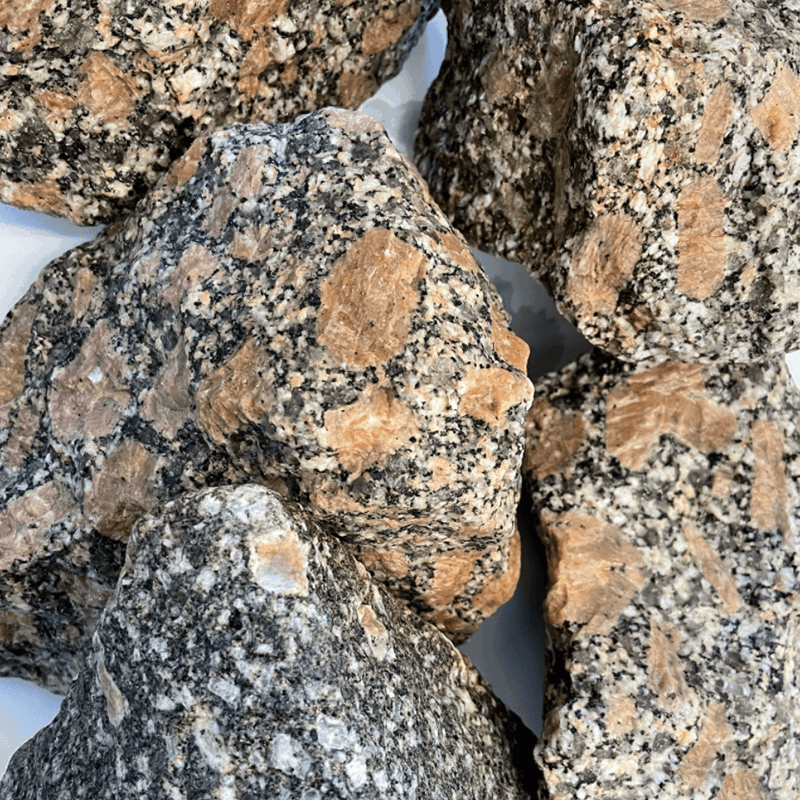
Crushed rock is widely used in structural and high-load applications due to its strength and durability. Granite, for example, is often selected where higher abrasion resistance is required.
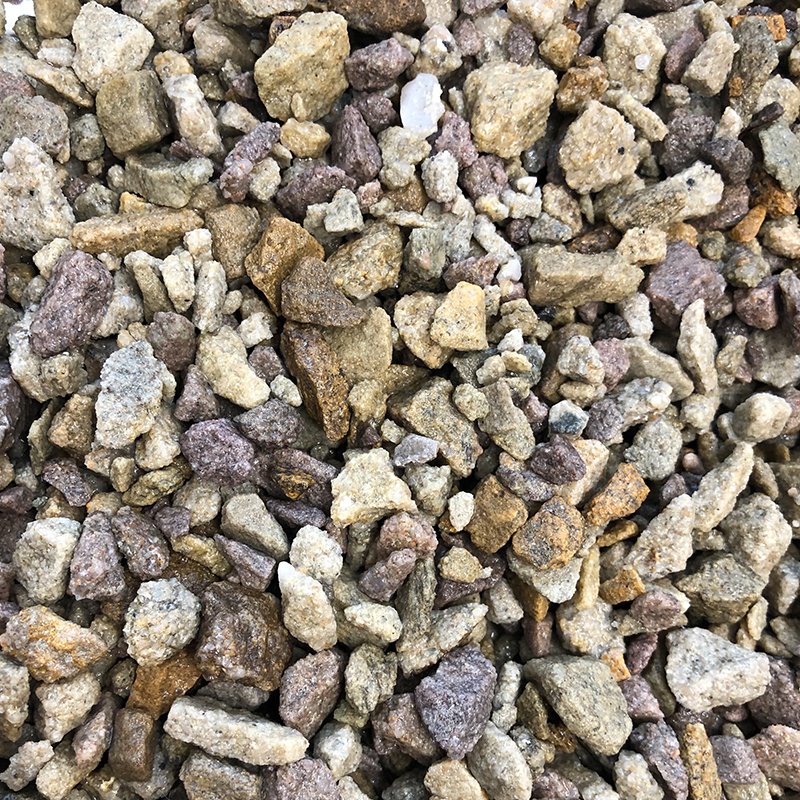
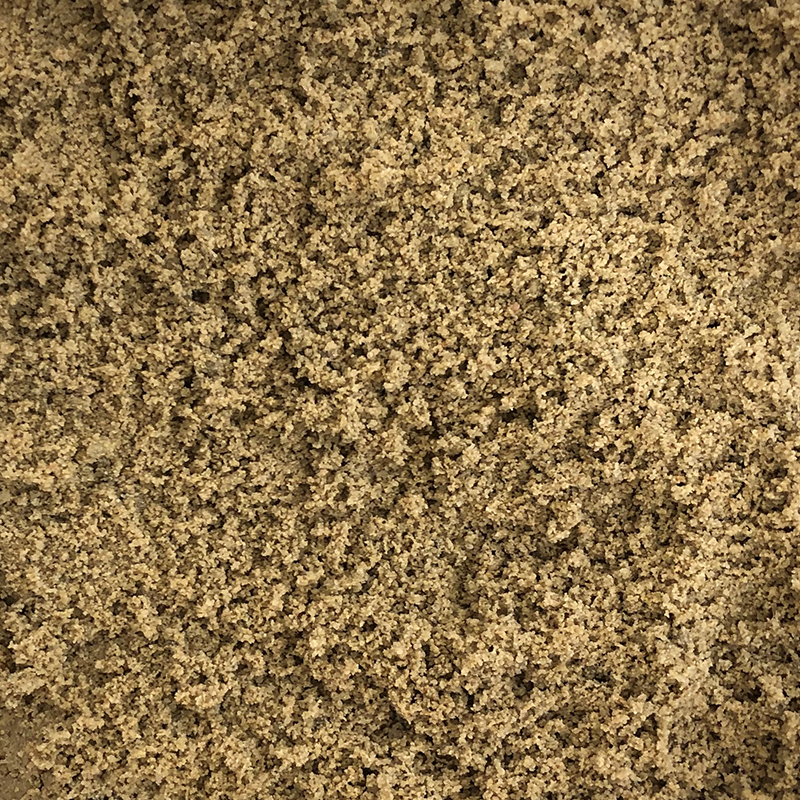
Sand and gravel are typically extracted from natural deposits formed by historic glacial or river activity.
These materials are commonly used in:
Their rounded or sub-rounded particle shape can offer different workability characteristics compared to crushed rock.
Some primary aggregates applications require specialist materials, including:
These materials must meet strict performance criteria depending on their end use.
Understanding the difference between primary vs secondary aggregates is important when selecting materials for a project.
Primary aggregates are newly quarried materials extracted directly from natural sources. They provide consistent grading, predictable strength and high durability, making them suitable for structural concrete, highways and major infrastructure.
Secondary aggregates, by contrast, are typically derived from recycled construction and demolition waste or industrial by-products such as slag or ash.
While secondary materials play an important role in sustainable construction, they may not always meet the structural or durability requirements needed for certain civil engineering applications.
In practice, many projects use a combination of primary and recycled materials, depending on performance requirements, availability and environmental considerations.
The primary aggregates uses across the construction industry are extensive. They form the backbone of both small-scale building projects and nationally significant infrastructure schemes.
One of the most significant primary aggregates applications is in highways.
Primary aggregates in road construction are used for:
Strength, interlock and consistent grading are critical in road construction to ensure load distribution and long-term performance under heavy traffic.
Large-scale aggregates for civil engineering projects rely heavily on primary materials.
These include:
In these environments, aggregates must meet strict specification requirements to ensure stability, drainage performance and structural integrity.
Modern infrastructure depends on reliable access to high-quality aggregates.
Aggregates used in infrastructure include those required for:
Because infrastructure projects often require large volumes, the supply of bulk aggregates for construction must be carefully managed to maintain programme timelines.
Primary aggregates are a key component of ready-mix concrete and precast concrete products.
Concrete performance depends heavily on aggregate quality, including:
In structural applications, primary aggregates are often specified to ensure compliance with British and European Standards.
Although recycled materials are increasingly used across the industry, virgin aggregates in construction remain essential for many high-performance and safety-critical applications.
Primary aggregates offer:
For major infrastructure and highways projects, these characteristics are often non-negotiable.
The UK construction sector depends on a steady supply of quarry primary aggregates to support economic growth, housing delivery and infrastructure investment.
Modern quarrying operations are subject to strict environmental and planning controls. Responsible operators prioritise:
In many projects, primary and secondary aggregates are used together to balance structural performance with sustainability goals.
Armstrongs supplies a wide range of primary aggregates from our quarries across the North West of England.
Our materials include crushed rock, sand and specialist stone products suitable for a variety of primary aggregates applications, from road construction and concrete production to large-scale civil engineering and infrastructure projects.
With dedicated quarry operations and modern processing facilities, we provide consistent, high-quality quarry primary aggregates in bulk for construction contractors, civil engineering firms and local authorities. Whether you require materials for highways, groundworks or structural concrete, our team can advise on the most suitable solution for your specification.
To discuss your project requirements or arrange supply, contact our team today.
Primary aggregates are naturally occurring materials extracted directly from quarries or sand and gravel deposits. Also known as virgin aggregates in construction, they have not been previously used or recycled. They are crushed, screened and graded to meet specific construction and civil engineering standards.
The main difference between primary vs secondary aggregates is their source.
Primary aggregates are newly quarried materials taken from natural rock or mineral deposits. Secondary aggregates are typically recycled from construction and demolition waste or produced as industrial by-products.
Primary materials are often specified for structural or high-load applications, while secondary aggregates may be used where performance requirements allow.
The main types of primary aggregates include:
These materials form part of the wider construction aggregates types used across infrastructure and building projects.
There are many primary aggregates uses across the construction industry. They are commonly used in:
They are essential as aggregates used in infrastructure, supporting transport networks, utilities and housing developments.
Primary aggregates in road construction provide the strength and stability required to support traffic loads over time. Their consistent grading and durability make them suitable for sub-base layers, asphalt production and high-wear surface courses.
For highways and major infrastructure, performance and compliance with specification are critical, which is why primary materials are often selected.
While primary aggregates are extracted from natural sources, modern quarry operations are subject to strict environmental regulations and restoration requirements.
Sustainability in virgin aggregates construction is supported through responsible quarry management, habitat restoration and the use of recycled materials alongside primary products where appropriate.
Made by Statuo

