
Clitheroe

Shap

Horwich, Bolton

Chorley

Horwich, Bolton
Clitheroe
Shap
Horwich, Bolton
Chorley
Horwich, Bolton
When it comes to sub-base materials, MOT Type 1, MOT Type 3, and scalpings are some of the most commonly used in construction. But while they might look similar on the surface, they serve different purposes, and using the wrong one can affect drainage, load-bearing performance, or compliance with highway specs.
In this guide, we’ll break down the differences between MOT Type 1, MOT Type 3, and scalpings, so you can choose the right material for your project; whether you’re building access roads, laying hardstanding, or prepping a drainage layer.
At Armstrongs, we supply bulk aggregates directly from our own North West quarries to commercial clients across highways, civils, and infrastructure. We understand the importance of choosing the right sub-base from the start.
MOT originally stood for Ministry of Transport, back when the department set out the standards for materials used in road building. The name has stuck, even though the Ministry itself no longer exists in that form.
In practice, when people talk about MOT Type 1 or MOT Type 3, they’re referring to materials that meet specific highways specifications.
These are now set out in the Specification for Highway Works (SHW), which defines how the material should be graded, what it can be made from, and how it’s tested.
Using a certified MOT aggregate gives contractors and engineers confidence that the sub‑base will perform as expected on site.
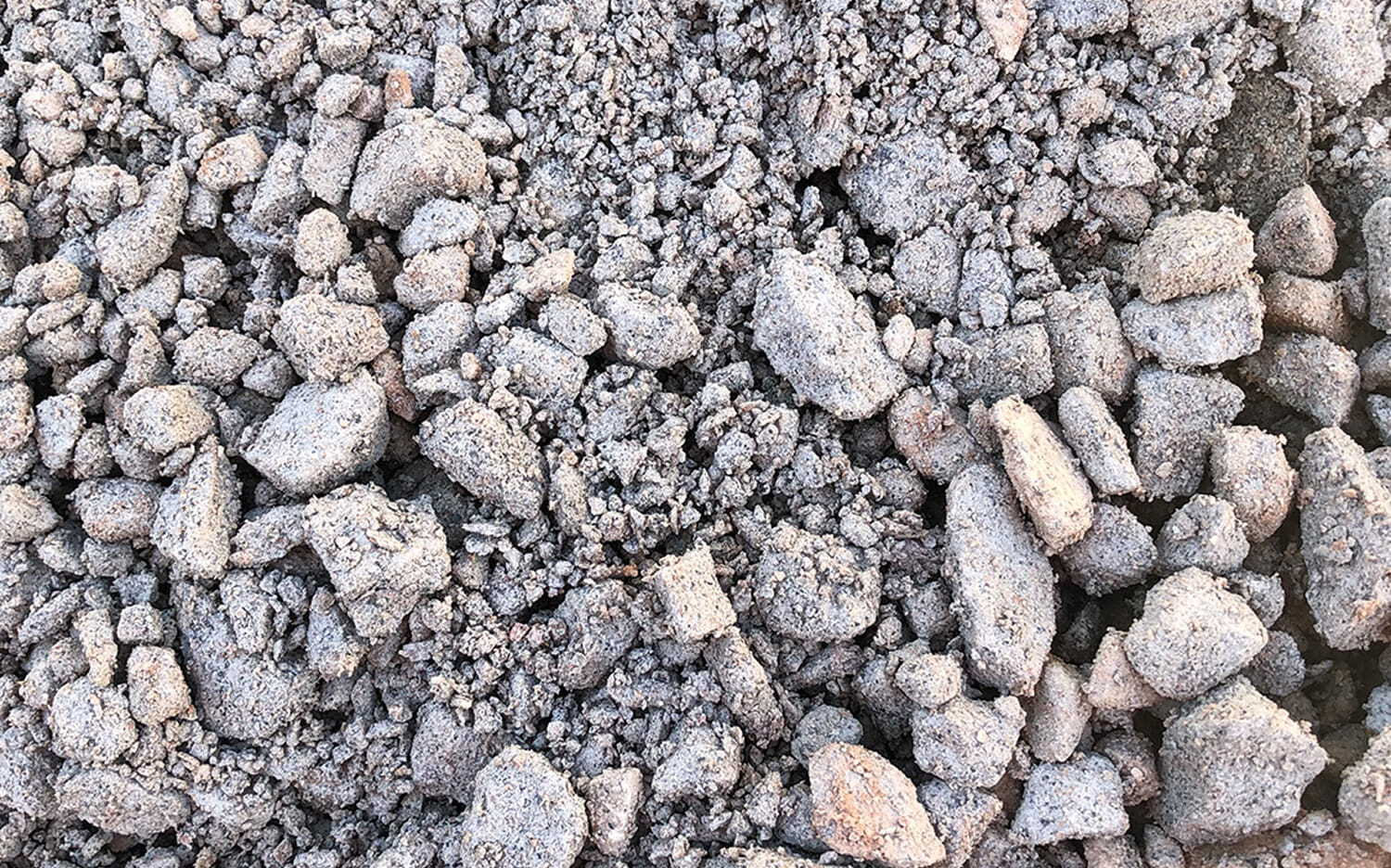
MOT Type 1 is a crushed granular material typically produced from limestone, granite, or gritstone. It’s the most commonly specified sub‑base in the UK and is widely used beneath roads, car parks, driveways, and footpaths where strength and long‑term performance are critical.
Because it’s well graded from 0–40mm, including fines, MOT Type 1 compacts tightly to create a stable, load‑bearing layer. This makes it suitable for use beneath tarmac, concrete, block paving, and even gravel surfaces when installed correctly as part of the overall sub‑base build‑up.
At Armstrongs, our MOT Type 1 is produced in line with BS EN 13285 and Clause 803, giving contractors confidence that it meets highways specifications and can withstand heavy traffic over time.
If you’re comparing different foundation layers or want a broader overview of how sub‑base materials work together in a pavement build‑up, our guide to sub‑base aggregates goes into more detail.
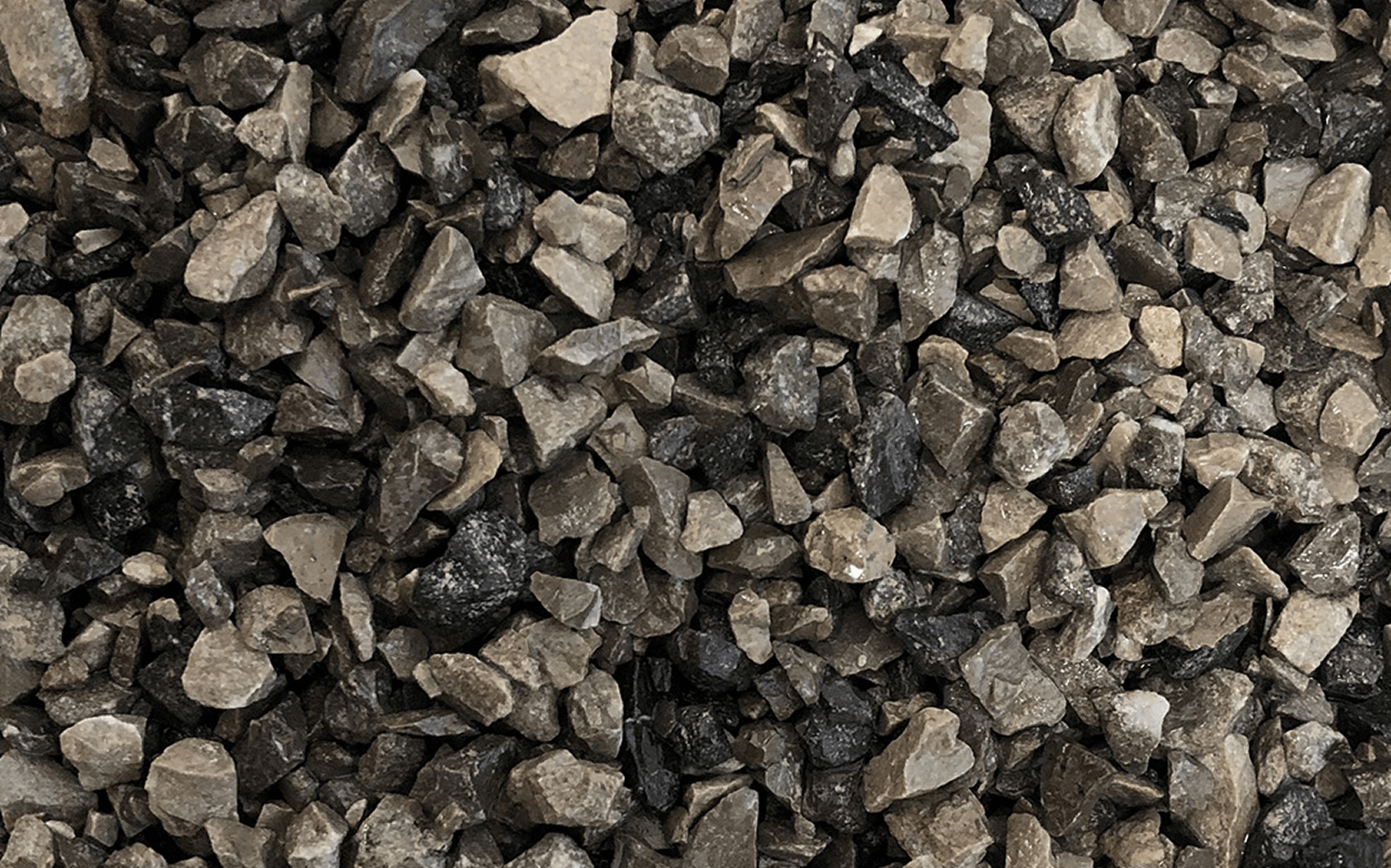
MOT Type 3 shares a similar stone size and overall strength to Type 1, but the key difference is that the fines are removed. Without 0mm particles filling the gaps, water can pass through the material freely, which is why Type 3 is commonly specified on projects where drainage is a priority.
It’s typically produced from crushed granite, limestone, or recycled aggregate and graded between 5–40mm. Despite being free‑draining, it still compacts well and provides a stable base when installed correctly.
Because of this permeability, MOT Type 3 is widely used beneath permeable paving, as well as on sports pitches, cycle routes, bridleways, and SuDS schemes.
Where planning conditions require surface water to soak away rather than run off into drains, Type 3 is often the only acceptable option. The size of the stone plays an important role in how well the material drains, which is why aggregate grading is usually considered alongside the wider drainage design.
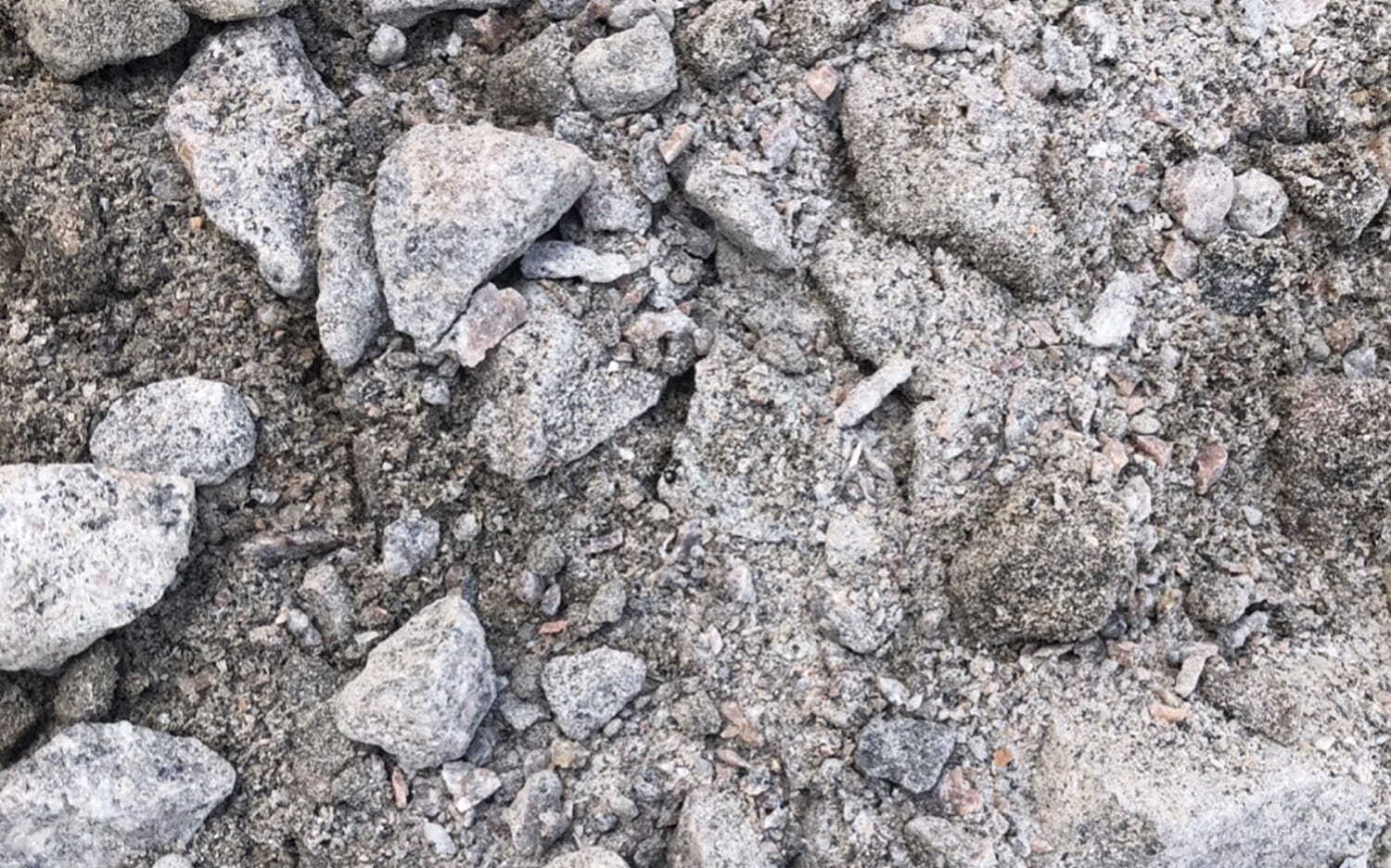
Scalpings are produced as part of the quarrying process and are essentially a mix of crushed stone left over from primary aggregate production. Because they aren’t tightly graded or tested to MOT standards, they’re cheaper than Type 1 or Type 3, but they’re not suitable for every job.
The material typically ranges from fines up to around 75mm, which allows it to compact reasonably well. However, the wider variation in particle size means performance can be inconsistent compared to certified sub‑base materials, particularly on heavily trafficked or regulated sites.
Scalpings are most often used on temporary site access tracks, farm roads, bulk fill, and lower‑spec groundwork, where formal highways compliance isn’t required. In these settings, they can offer a practical and economical solution.
At Armstrongs, we produce consistent limestone and gritstone scalpings from our own quarries, making them well suited to agricultural use, landscaping fill, and general groundwork where value and availability are the main priorities.
| Feature | MOT Type 1 | MOT Type 3 | Scalpings |
| Compliance | Clause 803 | Clause 805 / SuDS | Non-spec |
| Drainage | Low | High (no fines) | Low |
| Particle size range | 0–40mm | 5–40mm | 0–75mm (approximate) |
| Compaction | Excellent | Excellent | Good |
| Cost | ££ | £££ | £ |
| Best use | Roads, driveways | SuDS, permeable areas | Tracks, fill, hardstand |
The right sub‑base depends on how the surface will be used and what the specification allows.
Where a surface needs to carry traffic and meet highways or local authority requirements, MOT Type 1 is usually the safest choice.
It provides a strong, stable base and is widely accepted for adopted roads, driveways, and commercial yards.
If drainage is a key part of the design, particularly beneath permeable paving or within SuDS schemes, MOT Type 3 is typically specified. Its free‑draining structure allows water to pass through the build‑up rather than sitting on the surface.
For temporary access routes, agricultural tracks, or lower‑spec groundwork, scalpings can be a practical and cost‑effective solution where formal certification isn’t required.
At Armstrongs, we produce and supply certified MOT Type 1 and Type 3, alongside high‑quality scalpings, all sourced from our own quarries, including gritstone from Montcliffe and limestone from Waddington Fell.
We work closely with contractors across the North West and beyond, delivering bulk aggregates directly to site with full traceability and support from our in‑house team. If you need help specifying the right material for your project, get in touch and we’ll help you make sure your base layer is built to last.
In most cases, no. Scalpings aren’t certified and can lead to uneven settlement. MOT Type 1 is the safer, compliant option.
No, it still compacts well, but because it has no fines, it behaves differently and prioritises drainage over impermeability.
Yes. For adopted roads and many commercial projects, materials must meet the specified clause and be supported by certification.
It can be, but additional drainage measures are often required. Because Type 1 contains fines, it can hold water if the ground below doesn’t drain well. In these conditions, a free‑draining layer or alternative material may be specified.
In most cases, yes. Permeable paving systems are designed to let water pass through the surface and sub‑base, so a material without fines is usually specified to maintain permeability.
Generally no. While scalpings can work well for temporary access or low‑use tracks, their inconsistent grading means they’re not reliable for long‑term, heavily trafficked surfaces.
Certified MOT materials should be supplied with test results and be produced to the relevant clause in the Specification for Highway Works. If in doubt, ask your supplier for confirmation before ordering.
The grading and compliance are usually more important than the stone type, but stone choice can affect durability and performance in certain applications. This is often considered at the design or specification stage.
Made by Statuo

