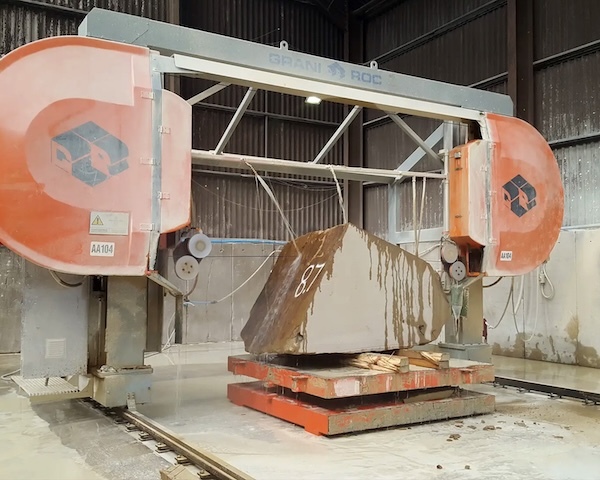
Clitheroe

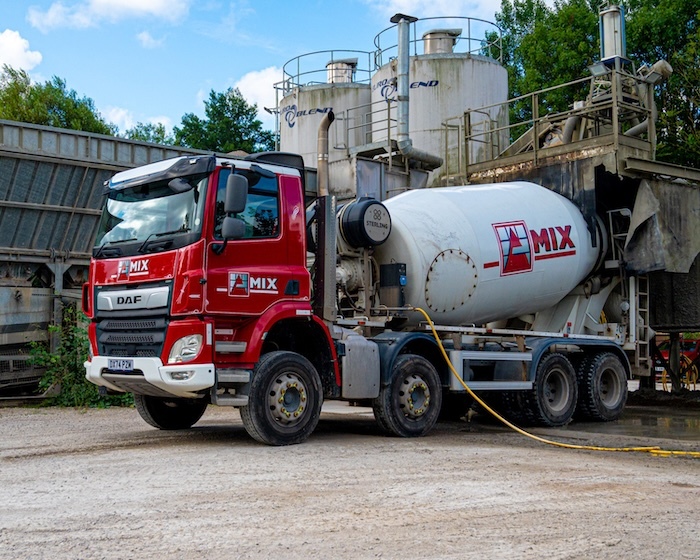
Shap

Horwich, Bolton

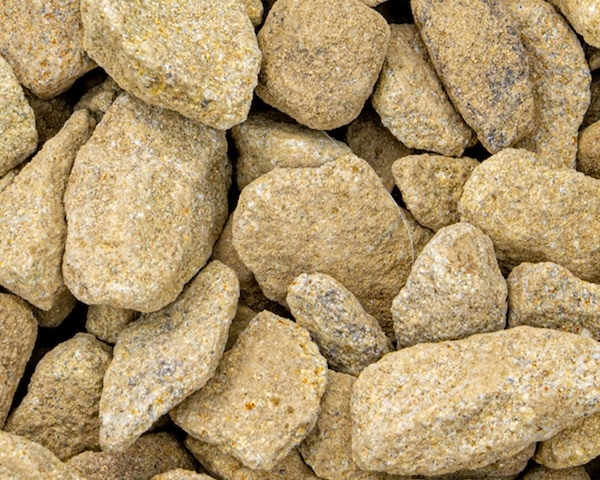
Chorley

Horwich, Bolton
Clitheroe
Shap
Horwich, Bolton
Chorley
Horwich, Bolton
In large-scale quarrying operations, crushing and screening are two of the most important processes for producing quality aggregates. However, achieving maximum efficiency in these processes is not just about having the right equipment, it's about optimising operations to ensure high productivity, reduced costs, and minimal downtime.
Improving crushing and screening efficiency directly impacts quarry performance, contributing to faster material processing, reduced operational costs, and higher-quality final products. In this blog, we’ll explore how crushing and screening work, the factors that influence their efficiency, and the best strategies for optimising these processes.
At Armstrongs, we provide high-quality aggregates directly from our quarries, offering expert insights into how you can improve crushing and screening operations at your site.
Crushing and screening efficiency refers to how well these two processes transform raw materials into usable aggregates while minimising waste and energy consumption. In the quarrying industry, achieving efficiency means maximising the quality of the final product while reducing the cost and time needed for processing.
The crushing process breaks down large rocks into smaller, more manageable sizes, ensuring that the final product meets specific size and shape requirements for construction. The screening process sorts aggregates based on size, ensuring that only the right material moves on to the next stage of production. When these processes are efficient, they result in better product quality, higher throughput, and reduced costs.
In the crushing process, raw materials are fed into crushers, which break down rocks into smaller pieces based on set specifications. The efficiency of this process depends on the type of crusher used, feed size, and how well the crusher is maintained. Optimising the crushing process involves ensuring that crushers are set to the right specifications, that the material is appropriately sized before being fed into the machine, and that the equipment is regularly maintained to reduce wear and tear.
Crushing efficiency affects material quality, ensuring that aggregates have the desired particle size and shape, as well as compressive strength. Inefficient crushing can result in over-sized or under-sized material, reducing the quality of the final product leading to unnecessary material waste.
Once materials are crushed, they move on to the screening process, where they are sorted according to size. The goal of screening is to produce uniform-sized aggregates while separating the fines (smaller particles) that don’t meet project specifications.
Efficient screening helps to improve material consistency and ensures that only the correct sized aggregates move on to the next stage.
Achieving maximum efficiency in crushing and screening operations goes beyond just selecting the right equipment, it’s about making sure everything works together seamlessly. Choosing the right equipment that aligns with your material type and the desired output is crucial. Additionally, routine maintenance is key to keeping everything running smoothly and preventing costly downtime. Upgrading to more modern, energy-efficient machinery is another important step that can make a significant difference in overall efficiency.
The efficiency of both crushing and screening processes is also heavily influenced by the feed size and material properties. Harder or larger materials are more challenging to crush, slowing down the process, while materials with varying moisture content or hardness can affect how well your screens perform. Ensuring that the material is pre-processed, appropriately sized, and consistent in quality before entering the crushing or screening stage is essential for avoiding bottlenecks and improving overall throughput. By addressing both equipment and material factors, you can optimise performance and keep operations on track.
Efficient crushing starts with the right settings. Every type of material has unique characteristics, and the crusher settings need to be tailored to ensure the best possible results. Adjusting key parameters such as:
But efficiency isn’t just about setting the right parameters, it’s also about maintaining a consistent feed rate. When material is fed too quickly or unevenly into the crusher, it leads to inefficiencies and unnecessary wear on the machinery.
Just like in the crushing process, optimising the screening process is crucial for improving quarry efficiency. The goal of screening is to ensure that the right material is separated and sent to the appropriate stage of processing. Here’s how to optimise screening plant performance:
For more complex materials or finer control over particle size, multi-stage screening can be an effective strategy. By breaking down the screening process into multiple stages, you can separate finer grades of material, ensuring that only the best material moves on to the next phase of processing.
The rise of automation and monitoring technology is a game-changer for quarry operations. Automated systems, real-time data monitoring, and smart control mechanisms help improve the efficiency and reliability of crushing and screening processes. Here's how these technologies work:
By embracing automation, you reduce downtime, prevent costly mistakes, and create a more consistent production flow, which ultimately leads to higher performance levels and improved operational efficiency.
When it comes to efficiency, material sizing plays a crucial role. Ensuring that material is properly sized before it enters the crushing or screening stages improves both performance and equipment longevity. Proper material sizing means you can optimise the rest of your plant, saving both time and costs.
The aggregate sizing process ensures that only materials that are suitable for crushing enter the system, while also making sure that materials are sorted appropriately during screening. When materials are properly sized:
Improving crushing and screening efficiency is essential for maximising the output and quality of your aggregates. From optimising equipment and material properties to implementing new technologies, there are several strategies to ensure that your quarry runs at its best.
At Armstrongs, we’ve built our reputation on delivering high-quality aggregates that meet industry standards. With decades of experience, we’re here to help you improve efficiency and meet the demands of your next quarry project.
What are the main factors affecting crushing and screening efficiency?
The main factors include equipment selection, material properties, feed size, and maintenance. Optimising these aspects ensures smoother operations and higher-quality output.
How does the type of material affect crushing and screening efficiency?
Harder or larger materials require more energy to crush and may slow down the process. Similarly, materials with varying moisture content or hardness can impact the performance of screening systems.
Can automation improve crushing and screening efficiency?
Yes, automation helps optimise feed rates, equipment settings, and processing speeds, leading to more consistent and efficient operations.
What is the role of material sizing in improving efficiency?
Accurate material sizing prevents crushers from being overloaded and improves screening performance, ensuring that only the right material is processed at each stage.
How can I improve my crushing and screening plant’s performance?
Regular equipment maintenance, optimising settings, using the right screen sizes, and implementing automation are key strategies for improving crushing and screening performance.
Made by Statuo