Clitheroe

Shap

Horwich, Bolton

Chorley

Horwich, Bolton
Clitheroe
Shap
Horwich, Bolton
Chorley
Horwich, Bolton
When preparing ground for roads, hardstanding, or large‑scale developments, materials like 6F2 and 6F5 are often specified early in the build‑up.
Both are widely used in bulk earthworks and sub‑base construction, particularly on commercial and infrastructure projects. But while they may appear similar at first glance, they serve slightly different purposes within a pavement or foundation design.
Understanding the difference between 6F2 and 6F5 is important for achieving the right ground stability, compaction, and long‑term performance. Choosing the wrong material can affect load‑bearing capacity, surface regularity, or compliance with specification.
In this guide, we’ll explain what 6F2 and 6F5 are, including their specifications, typical uses, and how to decide which material is right for your project.
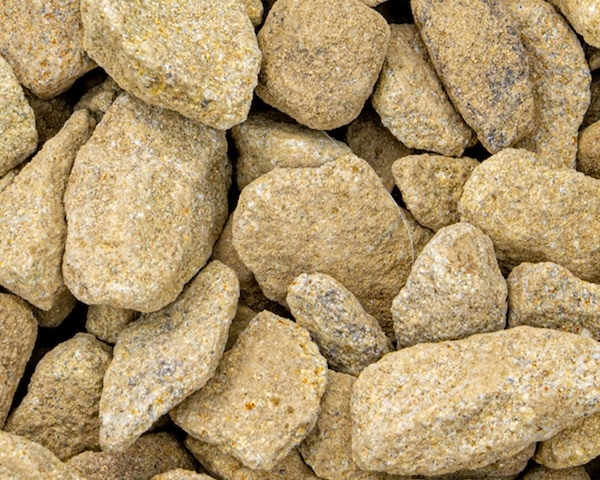
6F2 aggregate is a coarse, well‑graded capping material commonly used in bulk earthworks and ground improvement. It typically consists of crushed rock or recycled aggregate graded from 0–125mm, although the exact size range can vary slightly depending on the source and specification.
Because it includes both large stone and fine particles, 6F2 compacts effectively to form a stable working platform over weak or variable ground. The larger maximum particle size makes it particularly suitable for building up levels and distributing loads across poor sub‑grade conditions.
6F2 is generally supplied in accordance with the Specification for Highway Works (SHW) under earthworks and capping material clauses. It may be produced from primary quarried material or from quality‑controlled recycled sources, depending on project requirements.
The key characteristics of 6F2 specification typically include:
Exact specification requirements will usually be defined within the project’s engineering drawings or highways documentation.
6F2 is most often used where ground conditions need improvement before a sub‑base layer is installed. Common 6F2 uses include:
While it provides strong support, 6F2 is generally considered a capping material rather than a finished sub‑base layer, particularly on projects requiring tighter grading control closer to the pavement surface.
6F5 aggregate is a graded sub‑base or capping material commonly used in groundworks, road construction, and commercial developments. Like 6F2, it can be produced from crushed primary stone or quality‑controlled recycled aggregate, but it is typically more tightly graded.
6F5 is generally graded from 0–75mm or 0–100mm, depending on supplier specification. The smaller maximum particle size gives it a more workable and uniform finish compared to 6F2, making it suitable for use closer to the final pavement build‑up.
Because it still contains fines, 6F5 compacts well and forms a stable, load‑bearing layer when installed correctly.
6F5 is normally supplied in accordance with the Specification for Highway Works (SHW) as a selected fill or capping/sub‑base material, depending on project requirements.
Typical 6F5 specification characteristics include:
Exact grading and compliance requirements should always be checked against project documentation.
Because it offers a more consistent grading than 6F2, 6F5 is often used where a more refined layer is needed.
Common 6F5 uses include:
In many projects, 6F5 acts as a transition layer between coarse capping material and the structural sub‑base above.
At a glance, 6F2 and 6F5 may look similar. Both are coarse, graded aggregates used in earthworks and sub‑base construction. However, the main difference between 6F2 and 6F5 comes down to maximum particle size, intended position within the build‑up, and level of finish.
| Feature | 6F2 Aggregate | 6F5 Aggregate |
| Typical grading | 0–125mm | 0–75mm or 0–100mm |
| Maximum particle size | Larger | Smaller |
| Typical role | Capping layer | Sub‑base or improved capping |
| Surface finish | Rougher | More uniform and workable |
| Best for | Poor ground & bulk fill | Layer beneath Type 1 or pavement |
| Cost | Generally lower | Slightly more processed |
6F2 is typically used deeper within the construction build‑up. Its larger stone size makes it ideal for stabilising soft ground and building up formation levels. It’s often the first aggregate layer installed above the sub‑grade.
6F5, on the other hand, is usually installed above 6F2 (if both are used) or directly over prepared ground where conditions are more stable. Because it has a smaller maximum particle size, it provides a more consistent and workable platform for the next structural layer, such as MOT Type 1.
Neither material is necessarily “stronger”, they simply serve different structural purposes.
In many commercial and infrastructure projects, both materials are used together as part of a layered ground improvement strategy.
Choosing between 6F2 and 6F5 depends on ground conditions, structural design, and where the material will sit within the overall build‑up. While both are used in earthworks and sub‑base construction, they perform slightly different roles.
Because of its larger particle size, 6F2 is particularly effective at spreading loads across weaker ground. It’s commonly installed directly over the prepared sub‑grade before more refined layers are added above.
6F5 sub‑base material provides a more controlled and workable layer than 6F2, making it suitable higher up in the pavement structure.
On larger commercial or infrastructure schemes, it’s common to use both materials:
This layered approach improves load distribution and helps achieve the required bearing capacity before surfacing begins.
Both 6F2 and 6F5 rely on proper installation to achieve the required bearing capacity. Even the correct material will underperform if it’s not laid and compacted appropriately.
Because 6F2 contains larger stone (up to around 125mm), it is typically laid in thicker layers than 6F5. However, excessive layer depth can make compaction difficult.
As a general guide:
Exact layer thickness should always follow the project specification and compaction method statement.
The size of the material influences the type of plant required.
Adequate compaction is critical to prevent settlement and ensure the required CBR (California Bearing Ratio) or plate bearing results are achieved where testing is specified.
Like most granular materials, both 6F2 and 6F5 perform best when moisture content is controlled. Material that is too dry may not bind effectively during compaction, while overly wet material can reduce stability.
Monitoring conditions during installation helps ensure consistent results.
One of the most common issues in groundworks is contamination of aggregate with soft sub‑grade material. Installing a geotextile separator membrane can help:
This is particularly important when working over clay or weak made‑up ground.
While both materials are used in bulk, 6F2 is generally the more economical option. Its larger grading requires less processing, and it is often used in deeper layers where appearance and surface regularity are less critical. On projects where significant build‑up is required, this can make a noticeable difference to overall material costs.
6F5 may carry a slightly higher cost due to its tighter grading and more refined finish. However, that additional processing often reduces the need for remedial work or excessive trimming before installing the next structural layer. In many cases, the choice isn’t purely about price per tonne, but about where the material sits within the overall construction design.
Transport, availability, and whether the material is primary or recycled will also influence pricing, so quantities and haulage distances should always be factored into procurement decisions.
In simple terms, the difference between 6F2 and 6F5 comes down to where they are used within the ground build‑up.
6F2 is typically installed first, directly over prepared sub‑grade, particularly where ground conditions are poor or levels need to be raised. Its larger stone size makes it effective for stabilisation and bulk fill.
6F5 usually follows above it, or replaces it where ground conditions are more favourable. Because it is more tightly graded, it provides a more consistent and workable platform beneath structural sub‑base materials such as MOT Type 1.
Rather than competing materials, 6F2 and 6F5 are often complementary. Used together, they form part of a layered approach to ground improvement and pavement construction.
At Armstrongs, we supply both 6F2 aggregate and 6F5 aggregate from our own quarry sources, supporting commercial, civil engineering and infrastructure projects across the North West and beyond.
Our materials are produced to meet relevant specification requirements, with consistent grading and reliable availability for bulk delivery. Whether you’re building up formation levels, constructing a working platform, or installing a structural sub‑base, our team can help ensure the right material is supplied for your project.
6F2 is generally used as a capping layer rather than a finished sub‑base. While it compacts well, its larger particle size makes it less suitable directly beneath surfacing layers without a more refined material above it.
6F5 can provide a stable layer beneath MOT Type 1, but it does not usually replace it where a Clause 803 Type 1 sub‑base is specified. Always check the project specification before substituting materials.
6F2 is typically preferred for very soft or unstable ground because its larger stone size helps distribute loads more effectively at formation level. 6F5 is better suited to improved or moderately stable conditions.
Both 6F2 aggregate and 6F5 aggregate can be produced from either primary quarried stone or quality‑controlled recycled materials, depending on supplier and project requirements.
Yes. On highways and commercial projects, both materials are usually required to comply with the Specification for Highway Works (SHW) or project‑specific documentation. Always confirm the required grading and compliance before ordering.
Made by Statuo